
Students collaborate on a climate-resilient Europe
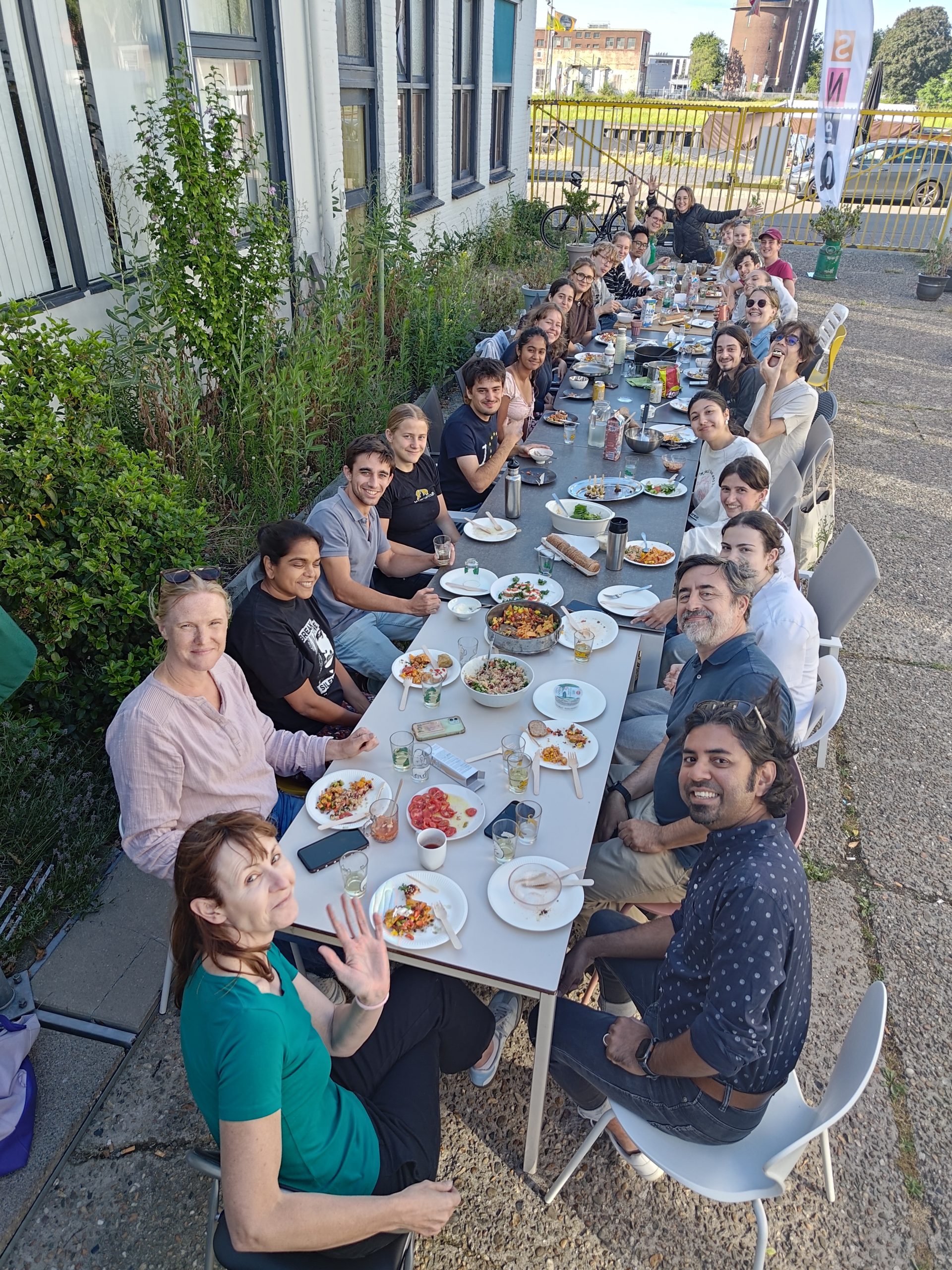
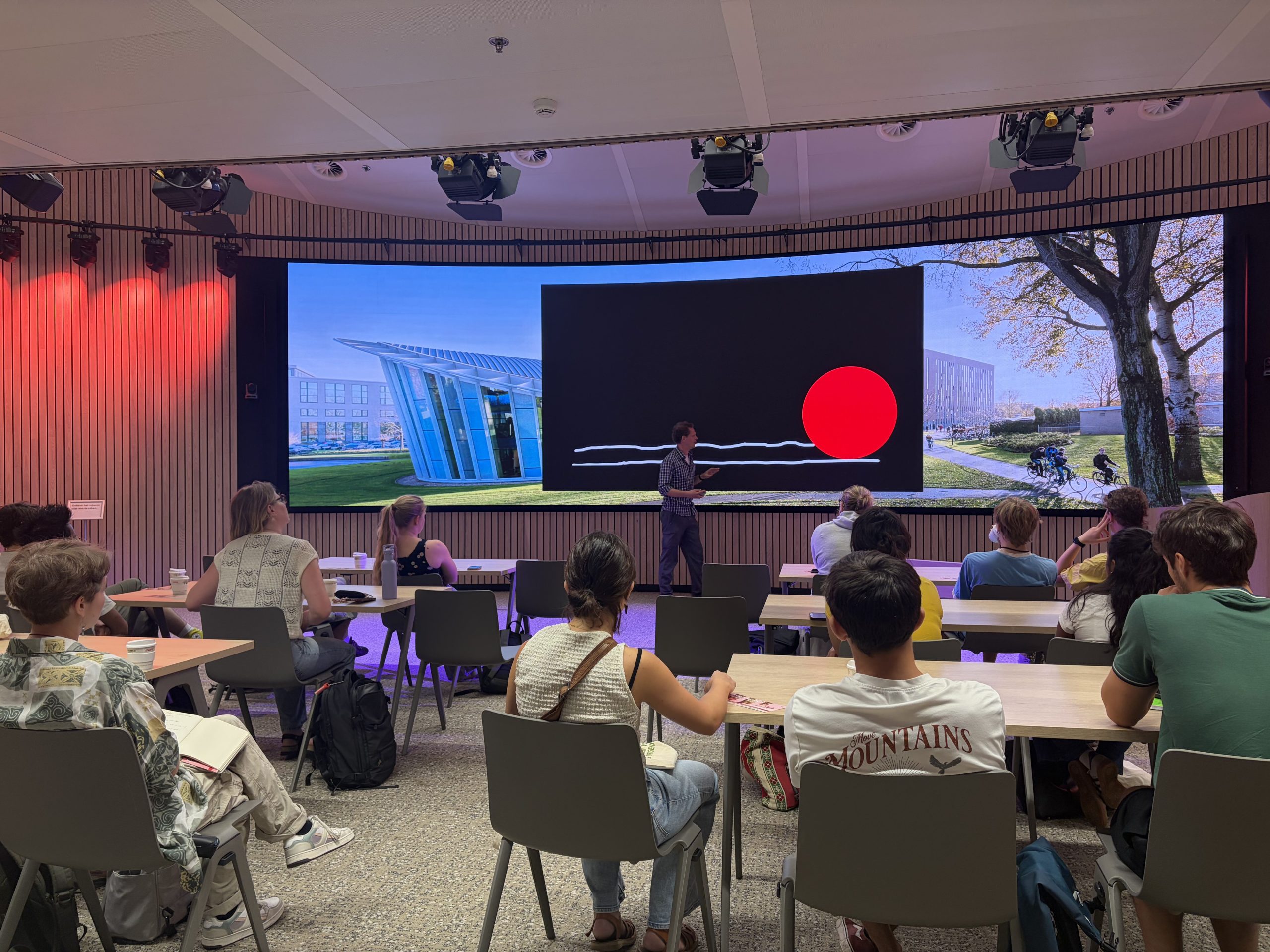
From 28 June to 3 July 2026, the international Climate of the Future / Climate Resilience Summer School took place in Breda. Students from various partner institutions worked together intensively for a week in a challenge-based programme built around one central question: how can European regions better prepare for climate change towards 2050?
Challenge-based learning from future scenarios
The Summer School started from a future scenario in which Europe in 2050 is confronted with increasing climate extremes and systemic pressures. Within this context, international student teams developed adaptation strategies across four interconnected domains: health, ecology, economy, and food systems.
This integrated approach encouraged systems thinking and enabled students to design solutions that connect sectors and policy levels.
The topic proved especially relevant, as large parts of Europe experience extreme heat and related challenges in June. According to Paul Santman-Seves, Lecturer, Sustainability Coordinator and Coordinator Internationalisation at the School of Life Sciences and Technology at Avans, these events increasingly shift the attention to tipping points, a crucial topic within climate adaptation discussions.
“A tipping point is like a rock sitting at the top of a mountain. Once it starts moving, it can trigger an avalanche that you can no longer stop. A part of climate adaptation is about making sure that first rock never turns into something bigger. With the extreme heat we are seeing across Europe right now, the urgency of that challenge becomes very tangible. During this Summer School, students worked on solutions to help regions become resilient and adapt to or reduce the risk of these tipping points.”
Learning mobility and European collaboration
The Summer School served as an intensive form of learning mobility within the PIONEER Alliance. Students worked in international teams, exchanging knowledge and perspectives on climate adaptation and policy.
Students experienced the international collaboration as one of the most valuable aspects of the programme, particularly the opportunity to work with peers from different countries and disciplines on shared climate challenges.
Participants also highlighted that while climate risks are broadly similar across Europe, the solutions differ per region. Comparing approaches such as urban planning and adaptation strategies helped them better understand how context shapes policy and implementation.
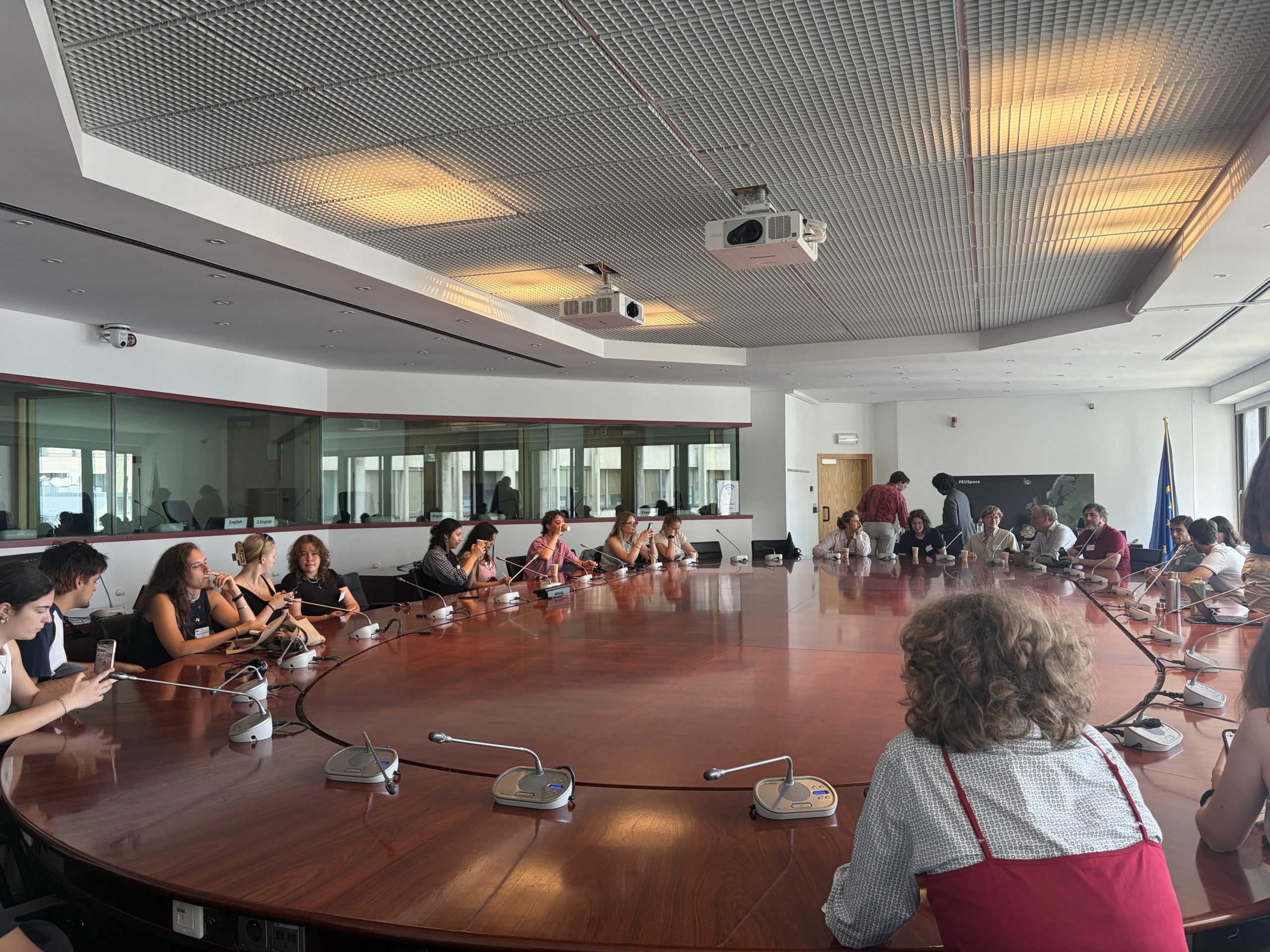
In addition to the academic programme, there was ample opportunity for networking. A study visit to Brussels provided participants with insight into the role of European institutions and how EU strategies are translated into regional and local implementation.
Co-creation of future-oriented solutions
The week concluded with final presentations, in which student teams showcased their strategies for a climate-resilient Europe. These presentations highlighted the importance of co-creation, interdisciplinary collaboration, and the joint development of solutions for complex transitions.
Students experienced the programme as highly practice-oriented, noting the value of working on real-life challenges rather than purely theoretical assignments. The hands-on approach helped them translate knowledge into concrete solutions and strengthened collaboration across borders.
European collaboration in practice
The Summer School is part of a broader European collaboration within the PIONEER European University Alliance and is organised by Avans University of Applied Sciences, in cooperation with partner institutions from Germany, France, Sweden, Slovakia, the Czech Republic, and Spain.
Students from these institutions worked in multidisciplinary teams to develop strategies to strengthen Europe’s resilience to climate extremes towards 2050.
According to Paul Santman-Seves, the successful first edition deserves a continuation.
“This first edition has been a real success and is definitely worth repeating. Bringing together students with different backgrounds and perspectives creates exactly the kind of collaboration and inspiration we need to address complex societal challenges.”
Contribution to the PIONEER ambition
The Summer School demonstrates how PIONEER fosters innovative, interdisciplinary, and internationally connected learning environments. By engaging students in realistic future scenarios, the programme contributes to the development of future-ready graduates who can collaborate across disciplines, countries, and sectors.
Within the alliance, initiatives like this are key building blocks for developing joint curricula, strengthening European collaboration, and increasing societal impact.